| MM Rahmatullah: Bangladesh has taken another step towards strengthening its position in sustainable tourism by hosting a two-day international workshop on heritage site preservation, bringing together local and international experts to develop quality standards and sustainability indicators for protecting cultural heritage across member countries of the Organisation of Islamic Cooperation (OIC).
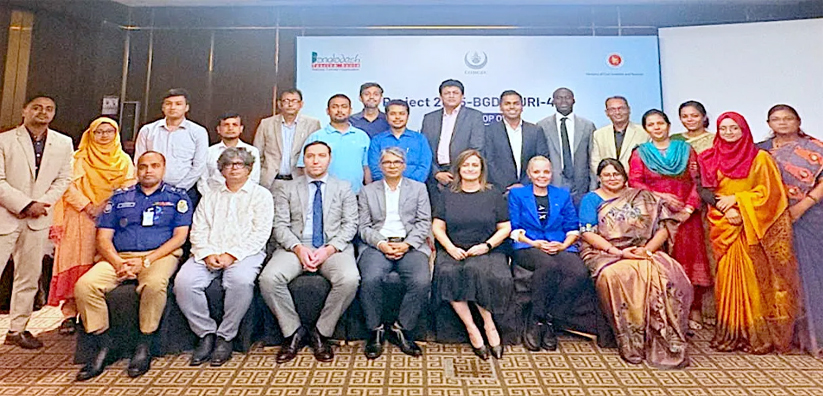
The workshop, titled “Developing Quality Standards and Sustainability Indicators for Enhancing Governance and Monitoring Systems of Heritage Site Preservation in OIC Countries,” was organised by the Bangladesh Tourism Board (BTB) under the Ministry of Civil Aviation and Tourism on October 7–8 at the InterContinental Dhaka.
The initiative aimed to strengthen governance, improve monitoring systems and promote sustainable management of heritage sites, highlighting the importance of protecting historical and cultural assets while making tourism more competitive and beneficial for local communities.
Barrister Mutasim Billah Faruqui, chief executive officer of the Bangladesh Tourism Board, inaugurated the workshop. In his opening address, he stressed that cultural heritage preservation is a vital component of sustainable tourism and an important factor in enhancing the competitiveness of Bangladesh and other OIC member countries in the global tourism market.
The workshop was organised under a project funded by the Standing Committee for Economic and Commercial Cooperation of the Organisation of Islamic Cooperation (COMCEC), titled “Enhancing Cultural Heritage Site Preservation by Strengthening Governance and Monitoring Systems.”
Bangladesh`s selection for the project through a competitive process involving 57 OIC member countries was considered a significant achievement, reflecting the country`s growing engagement in regional tourism cooperation and its potential to contribute to international efforts to protect cultural heritage.
The two-day event brought together 25 experts in heritage preservation and tourism. Of them, 21 participants represented relevant departments and institutions in Bangladesh, while four international participants represented Türkiye, Uzbekistan and the Statistical, Economic and Social Research and Training Centre for Islamic Countries (SESRIC).
During the workshop, participants worked together to develop practical quality standards and sustainability indicators covering the environmental, social and economic aspects of heritage site management.
Discussions focused on a range of issues critical to the long-term protection of heritage destinations, including legal and regulatory frameworks, conservation and maintenance, institutional governance, community benefit-sharing, visitor management and risk preparedness.
Experts also considered recommendations made by the COMCEC Tourism Working Group, with particular attention to strengthening management practices and ensuring that heritage preservation efforts deliver lasting benefits.
Heritage sites are important not only for their historical and cultural value but also for their potential to attract visitors, create employment and support local businesses. However, inadequate maintenance, weak management, environmental pressures and poorly controlled visitor activities can threaten their long-term survival.
Against this backdrop, the workshop sought to identify approaches that would help OIC member countries improve the protection and management of their heritage destinations while ensuring that tourism development remains environmentally responsible and socially inclusive.
The discussions generated structured inputs for the forthcoming OIC Guidance Document on Heritage Site Preservation. The document will be developed on the basis of the workshop`s outcomes and a subsequent expert consultation meeting.
Once completed, the guidance document is expected to provide a reference for strengthening heritage site management and monitoring systems across participating countries.
At the closing ceremony, Abu Salim Mahmud-Ul Hasan, director of the Bangladesh Tourism Board, thanked the partner institutions and participants for their contributions to the workshop.
He reaffirmed Bangladesh`s commitment to expanding cooperation in knowledge exchange and capacity-building initiatives under the COMCEC framework, emphasising the importance of collaboration among member countries in addressing shared challenges in heritage conservation and sustainable tourism.
Bangladesh has a rich cultural and historical heritage, encompassing archaeological sites, historic mosques, Buddhist monasteries, traditional settlements and other places of cultural significance. Proper conservation and management of these assets can help attract domestic and international tourists, preserve national identity and create new economic opportunities for communities.
For Bangladesh, sustainable heritage tourism offers an opportunity to connect cultural preservation with economic development. By improving standards, strengthening institutional capacity and encouraging community participation, the country can work towards ensuring that heritage sites remain protected while contributing to livelihoods and the wider tourism economy.
The Bangladesh Tourism Board reiterated its commitment to promoting sustainable heritage tourism that safeguards cultural assets, supports local livelihoods and enhances the competitiveness of the tourism sector across OIC member states.
The Dhaka workshop marks a step towards that goal, reinforcing Bangladesh`s role in regional cooperation and the collective effort to preserve cultural heritage for future generations.
|